
2026 Winner
SilverLaunch Strategy
SilverConnection Strategy
Keurig Dr Pepper (Crush)
"Your First Crush. All Grown Up."
LG2
"Your First Crush. All Grown Up."
LG2
CASE SUMMARY
Over the past decades, Crush Soda enjoyed exceptional affinity among younger audiences. However, while it was a childhood staple, brand relevance weakened as consumers matured. In fact, numbers don’t lie: the older we get, the less Crush we drink.This reality created a paradoxical challenge for the launch of Crush Orange Zero Sugar: the audience with the greatest business potential, Millennials, was also the most distanced in terms of affinity. To them, Crush was a sweet childhood memory that did not fit their current health priorities.
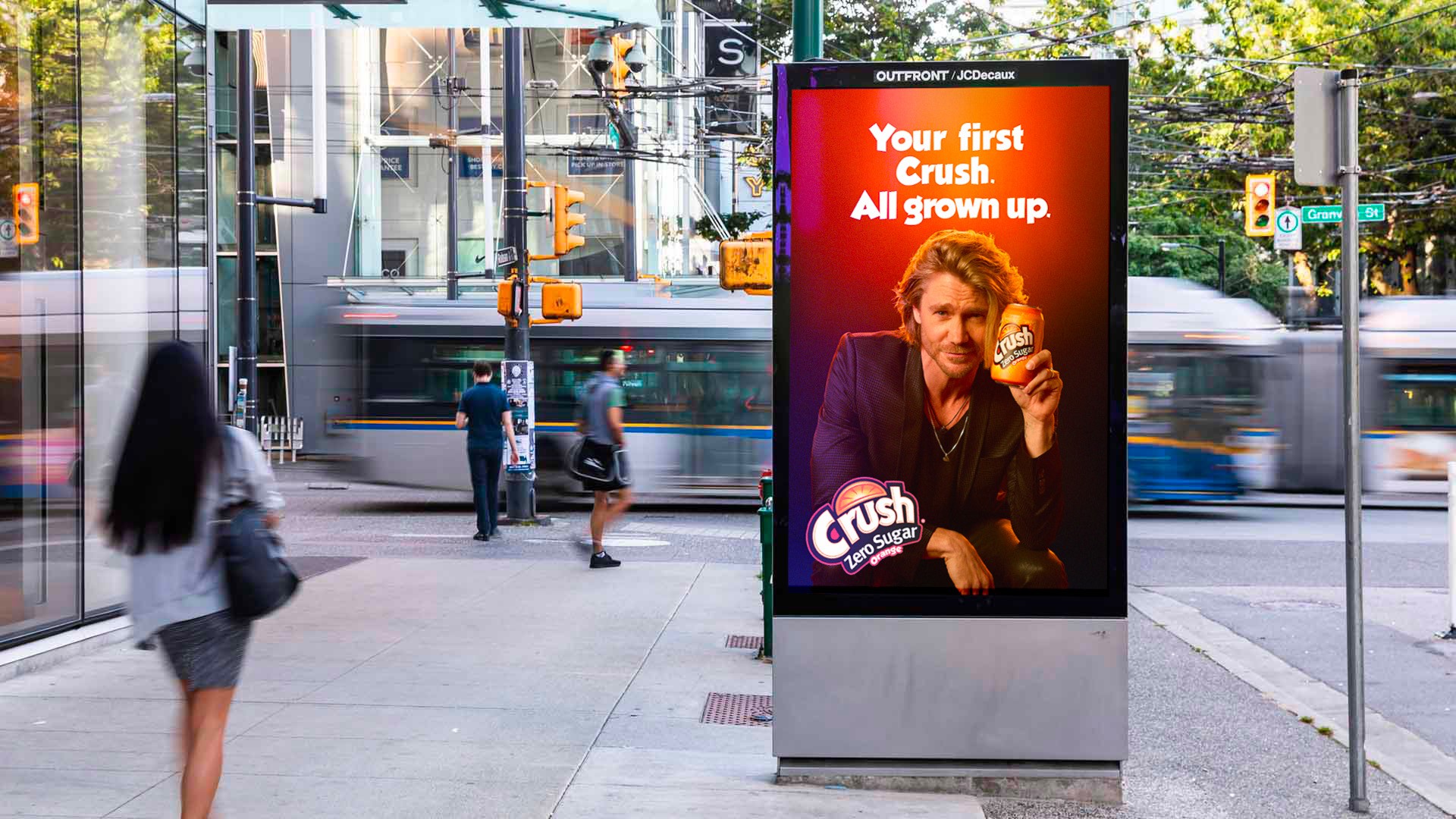
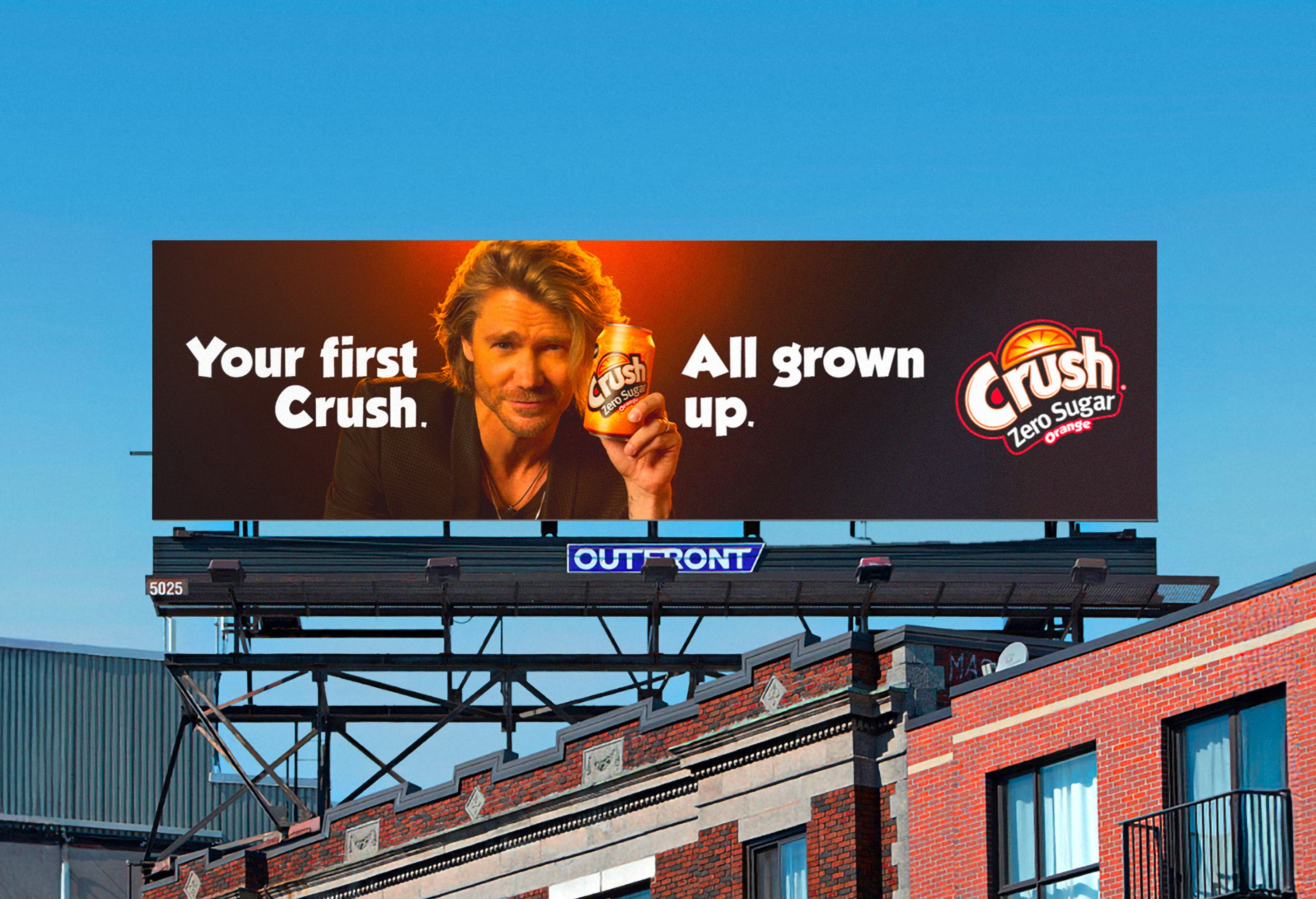
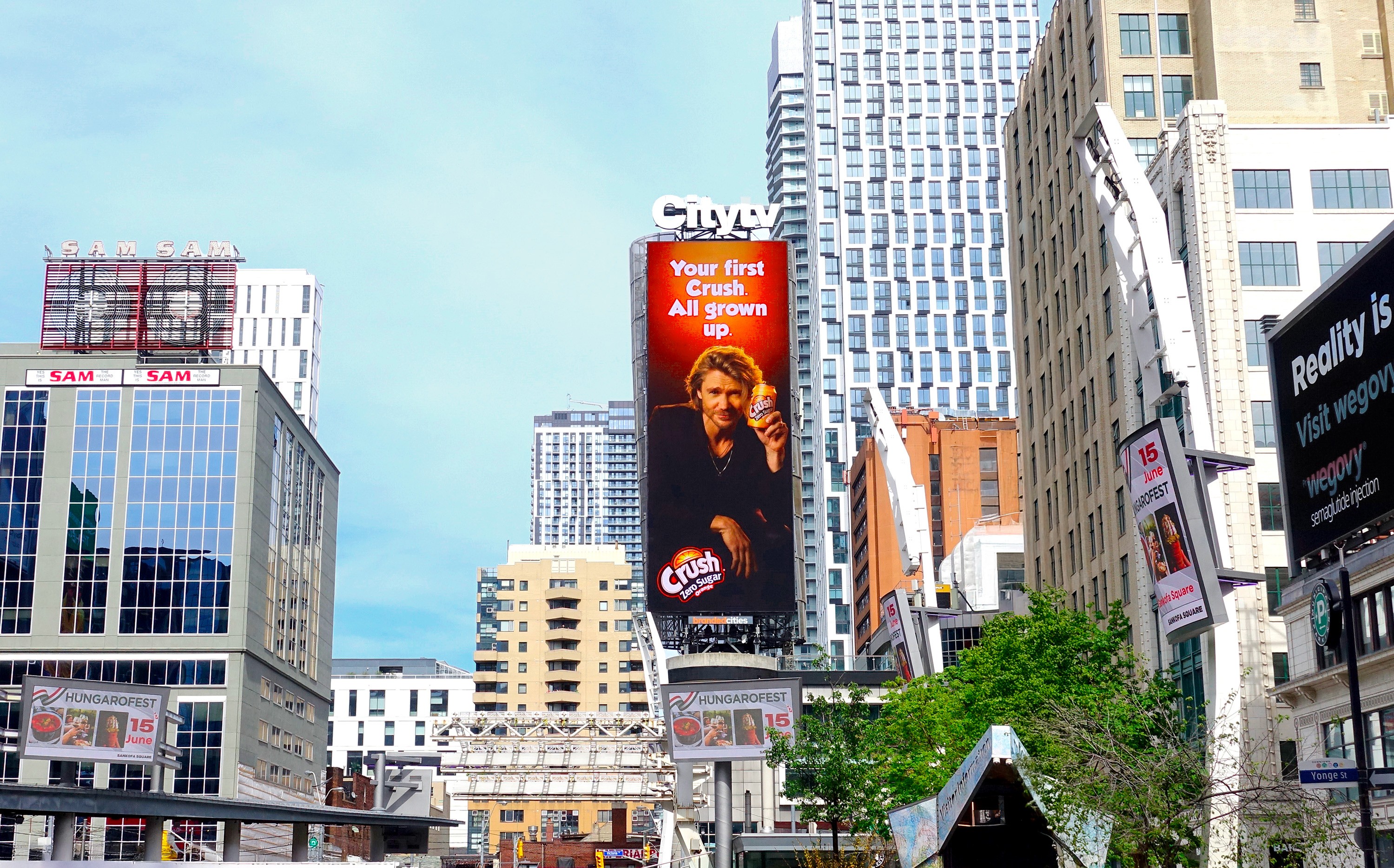
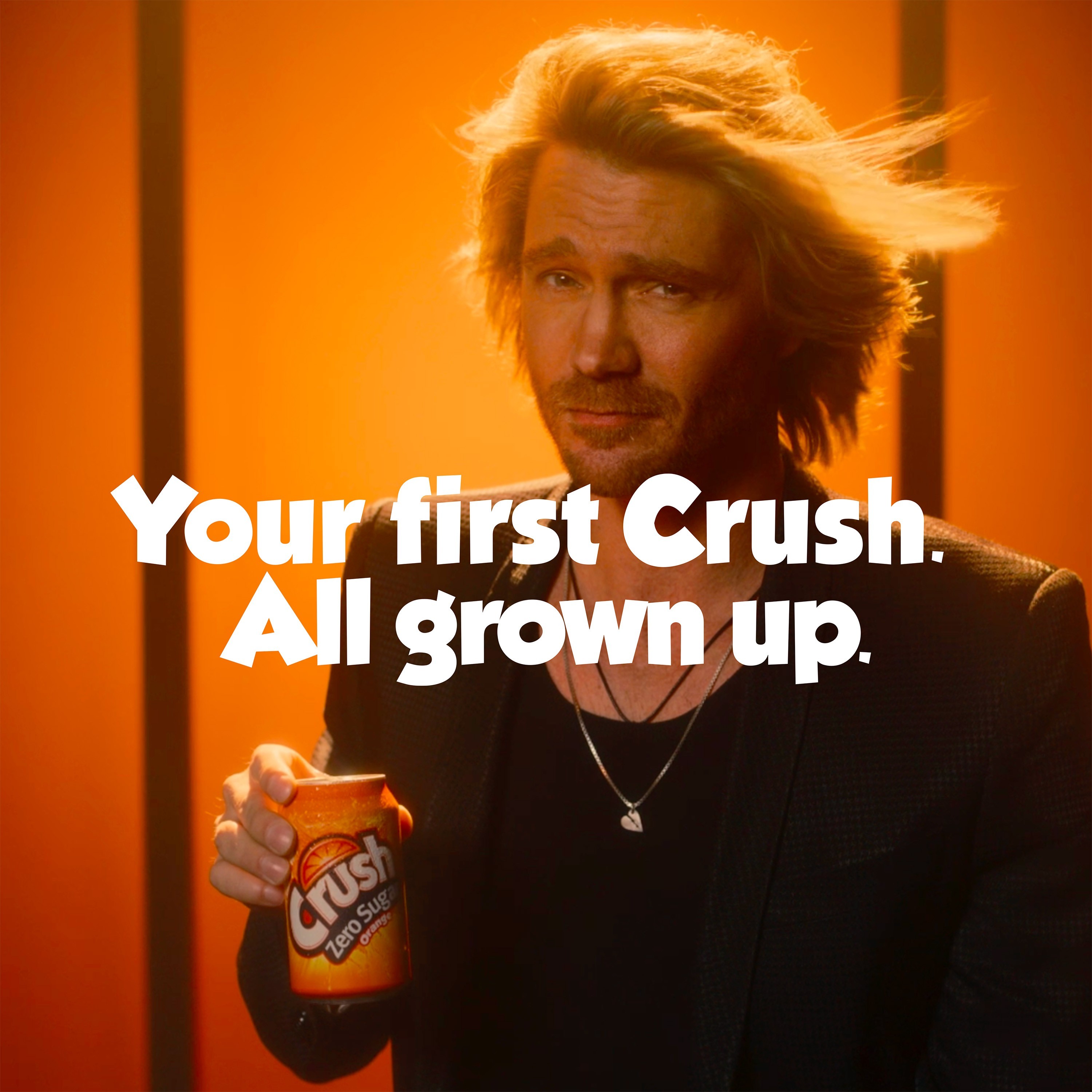
The agency reframed the launch of Crush Orange Zero Sugar as a cultural reunion, showcasing a metaphorical match with a figure who mirrored the brand’s exact lifecycle: a 2000s icon who dominated the cultural landscape, transitioned into a hiatus, and returned as a polished, self-assured adult. By partnering in an innovative way with Chad Michael Murray, the definitive first crush for the Millennial generation, the strategy moved beyond the standard celebrity endorsement
Digital content and coordinated media leaks about the return of Chad Michael Murray as a Crush ambassador to first re-established the audience’s emotional connection to the brand.
This built the necessary tension for the Prom Night brand activation, a meticulous recreation of a generational milestone featuring Chad Michael Murray as the focal point. The cultural accuracy of the event triggered immediate demand, with influencers lobbying for access.
For millennials, the brand’s “sugary kids treat” halo had become a barrier, clashing with their life and health priorities. To regain relevance among the millennials, the audience with the highest business potential, Crush Soda launched a new product : Crush Orange Zero Sugar, the first sugar-free beverage in the brand’s lineup and the first ever Zero Sugar flavoured carbonated soft drink (CSD).
They faced three main challenges: category maturity and inertia from competitors spending millions to own the established "Zero" space; the flavor-function compromise where "Zero" sodas often tasted clinical and aspartame-heavy; and a budget-savvy mandate operating on a fraction of category leaders' spend without relying on conventional, frequency-heavy product announcements, all while recognizing that millennials wanted their childhood favorites to finally grow up with them.
People still loved the taste of Crush, they just didn’t want all the sugar. While they held high emotional affinity for Crush, they also possessed the highest resistance to its traditional product profile. They were already drinking zero sugar versions of other sodas , but they didn’t think an Orange Crush Zero Sugar could even exist. Thus, Crush Zero Sugar wasn’t just a new product; it was a way for adults to drink their favourite childhood soda again without feeling like they were making a bad choice. They took out the sugar – the one thing that made them feel like they hadn’t grown up.
Launch Orange Crush Zero Sugar to millennials as the grown-up version of their childhood favorite, by using nostalgic cultural icon Chad Michael Murray to personify a literal ‘first crush’ reunion.
This maturation was personified through a human metaphor – 2000s heartthrob Chad Michael Murray – who was selected for a specific, non-negotiable reason: he mirrored the brand’s exact trajectory.
As a teenage icon who dominated the target’s childhood before fading from the zeitgeist, his high-profile comeback – anchored by Sullivan’s Crossing, Freakier Friday and buzz regarding a One Tree Hill reboot – provided a perfect parallel to Crush’s own return to their daily lives with impeccable cultural timing. They channeled Zero Sugar into a symbol of adulthood, allowing fans to re-engage with their favourite brand.
While signalling Crush’s coming-of-age, this was a meticulous recreation of the definitive Millennial teens’ milestone, featuring Chad Michael Murray as the focal point. The event's cultural accuracy triggered immediate demand, with social influencers lobbying for access, transforming the launch into a high-demand cultural moment.
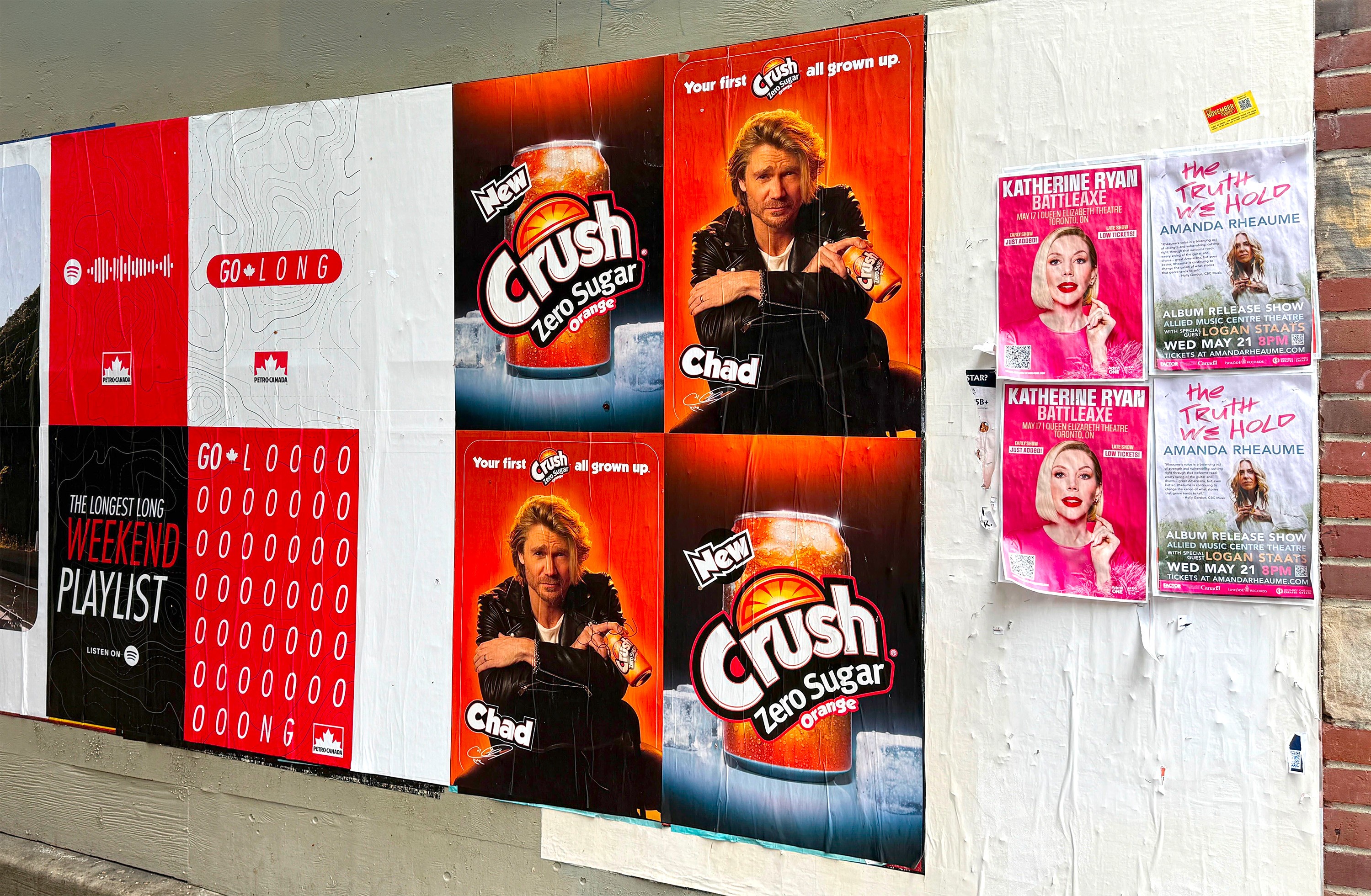
In urban centers, they saturated the streets with tear-off wild posters. Designed as physical artifacts rather than advertisements, they invited fans to reclaim their “first crush”, encouraging them to rip the posters down for their walls, just as they did in their teens.
Reframing the health barrier as a life stage opportunity Instead of treating "Zero Sugar" as a functional health benefit, planning identified it as a symbol of maturation. The agency shifted the narrative from "less sugar" to "the brand grew up with you," giving Millennials cultural permission to re-engage with a childhood staple.
Strategic planning’s core contribution was reframing a functional launch into a cultural reunion. By diagnosing the millennial psyche, where adolescence is a "curated sanctuary”, strategic planning moved beyond raw celebrity reach. Planning specifically mandated a partner who didn't just have fame, but shared history. Selecting Chad Michael Murray allowed us to personify the "Zero Sugar" evolution, making the product relaunch feel like a high-profile grown-up comeback rather than a line extension.
“Orange Crush Zero Sugar” didn’t just launch; it fundamentally reset the trajectory of a 100-year-old brand by proving that a nostalgic icon can become a modern category leader.
They achieved 64% product awareness (28% above target) in just 21 days . Category benchmarks indicate that on average, competitors took six years of consistent spending to reach similar levels for their "Zero" products.
The campaign generated 147.6M earned social impressions (47.6% above target) . Their earned media reach outperformed paid media by nearly 70%, fulfilling our aspiration of creating an unmissable cultural phenomenon.
Their baseline volume increased by 10% during the campaign period, with 12 million cans sold in the launch phase alone.
Credits
LG2ECD: Marie-Ève Best, Nicholas Paget
Creative Direction: Alexandre Jourdain
Copywriting: Gabrielle Fortin-Larose, Daniel Kanhai
Art Direction: Gabrielle Turcotte, Maxwell Perone
Strategic Planning: Laurence Bonneville, Guillaume Dubé
Client Services: Catherine Demers-Rivard, Alina Burelle, Alexandre Gaudreau-Cyr
Executive Production Management: Mélanie Bruneau
Agency Production: Stéphanie Gagné, Julie Harton
Project Management, Production: Geneviève Demers, Anita Khieu
Motion Design: Jean-Philippe Guy
Editing: Carl Munger
Mac Artists: Frédéric St-Denis, Manon Rémillard
CCOs: Nicolas Baldovini, Josh Stein, Luc Du Sault
CSO: Sophie-Annick Vallée
VP, Strategy: Stéfanie Forcier
VP, Account Services: Karine Payette
Good Behavior
Producer: Victoria Grunier, Megan Pfaffenroth
Director: Mike Egan
DOP: Kevin Fletcher
Photography: Phil x Sarah
Mels
Colorization: Maxime Taimiot
Lamajeure
Engineering: Jacob Gauthier Robitaille
Craft Public Relations
Managing Director: Melissa Retty
Account Director: Laura Burrett
Sr. Account Manager: Duncan Peng
Account Manager: Sneha Lotia
Account Manager: Danielle Filler
For submission inquiries, please contact strategyawards@brunico.com
.
For partnership inquiries, please contact Neil Ewen at newen@brunico.com.
For partnership inquiries, please contact Neil Ewen at newen@brunico.com.