
2026 Winner
BronzeROI Strategy
Maxi
"The Trend-Killing Promo"
LG2
"The Trend-Killing Promo"
LG2
CASE SUMMARY
Instead of high-production content, Maxi announced the sale just like any other: through a regular social media post and the digital flyer.This anti-marketing approach transformed a modest $1,800 investment into a massive commercial success, yielding a $43.90 ROAS and a 57.05% year-over-year sales lift. Beyond volume, the strategy maximized efficiency by protecting margins; the agency achieved record-breaking movement with an average discount of only 25% – half the depth of traditional promotions. By operationalizing a meme rather than manufacturing a message, Maxi proved that cultural precision is the ultimate multiplier for ROI, successfully inhabiting Gen Z logic to turn a brand blind spot into a high-performance sales engine.
By building deep emotional bonds through local relevance and authenticity, Maxi has transformed from an underdog into a dominant force, winning the hearts and wallets of boomers and millennials alike. However, despite this multigenerational success, Maxi remained a total blind spot for Gen Z. Sales among that segment were in decline by 8.3%. As this cohort becomes the next major demographic of consumers, closing this gap became a business imperative.
For this younger audience, a corporate heavyweight adored by their parents is the antithesis of cool. Any traditional attempt at engagement triggers an immediate cringe response, alienating Gen Z while embarrassing the brand in front of the very parents it depends on. They were faced with a strategic paradox: How could a utilitarian discount grocer engage Gen Z authentically while simultaneously remaining their parents’ favourite?
The ask was to resolve that paradox without a brand campaign budget. Total production and media investment available: $10,000.
Gen Z suffers from acute marketing fatigue. The moment an established brand tries to muscle its way into their culture, the result is immediate rejection. For this audience, the ultimate proof that a trend is over is when it appears in mass advertising. Rather than trying to be cool, Maxi took a very clear-headed approach: to become the official arbiter of the trend.
As for finding the trend to kill, that was easy. At the end of 2025, the “6-7” trend, a somewhat absurd viral game involving spotting and sharing these numbers, was reaching its point of saturation.
The standard playbook here would have been to create content: something native to TikTok, with a creator, in the right format. Every one of those reflexes would have produced exactly what Gen Z expects from legacy brands: cringe, rejection and a dead trend before it paid off.
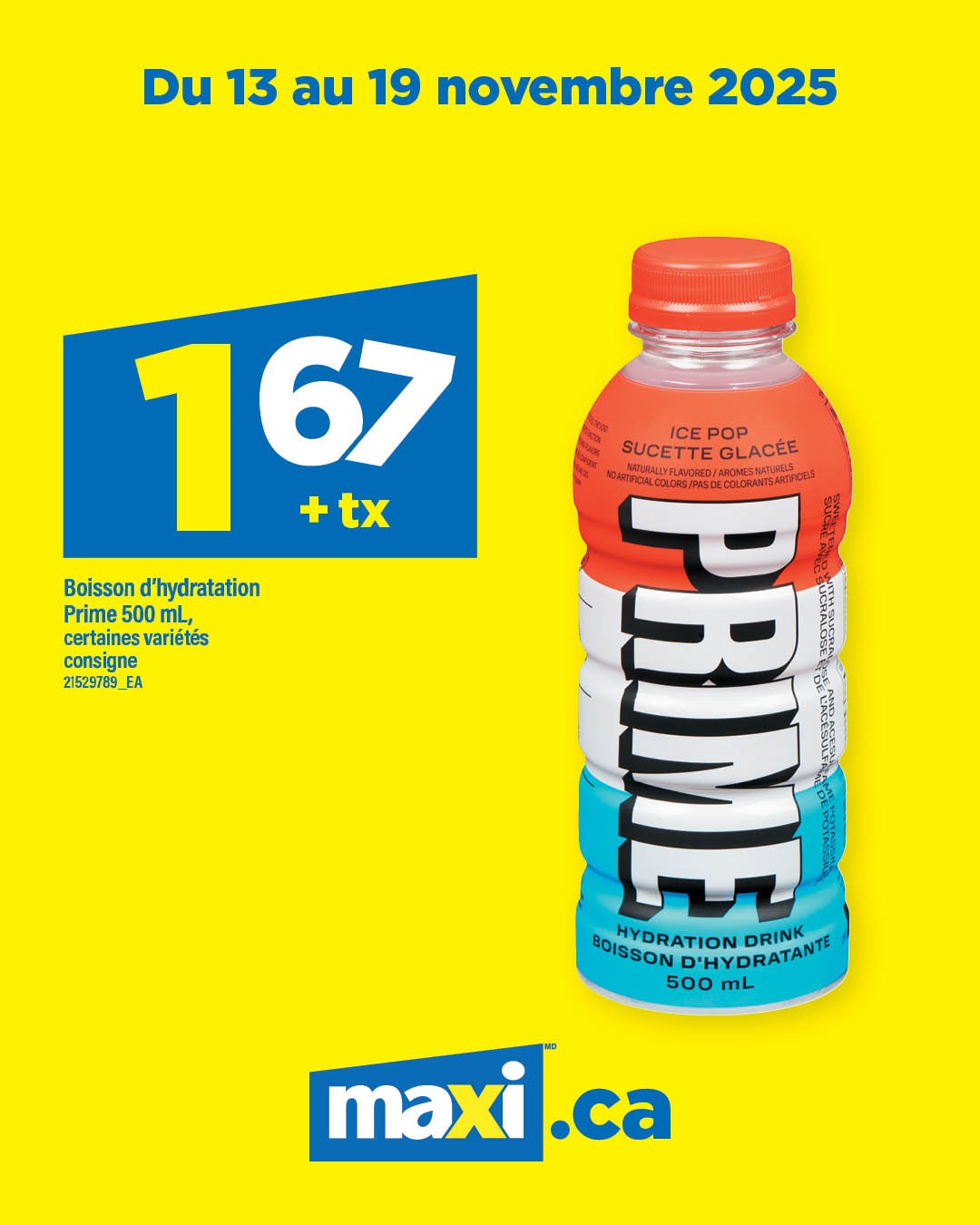
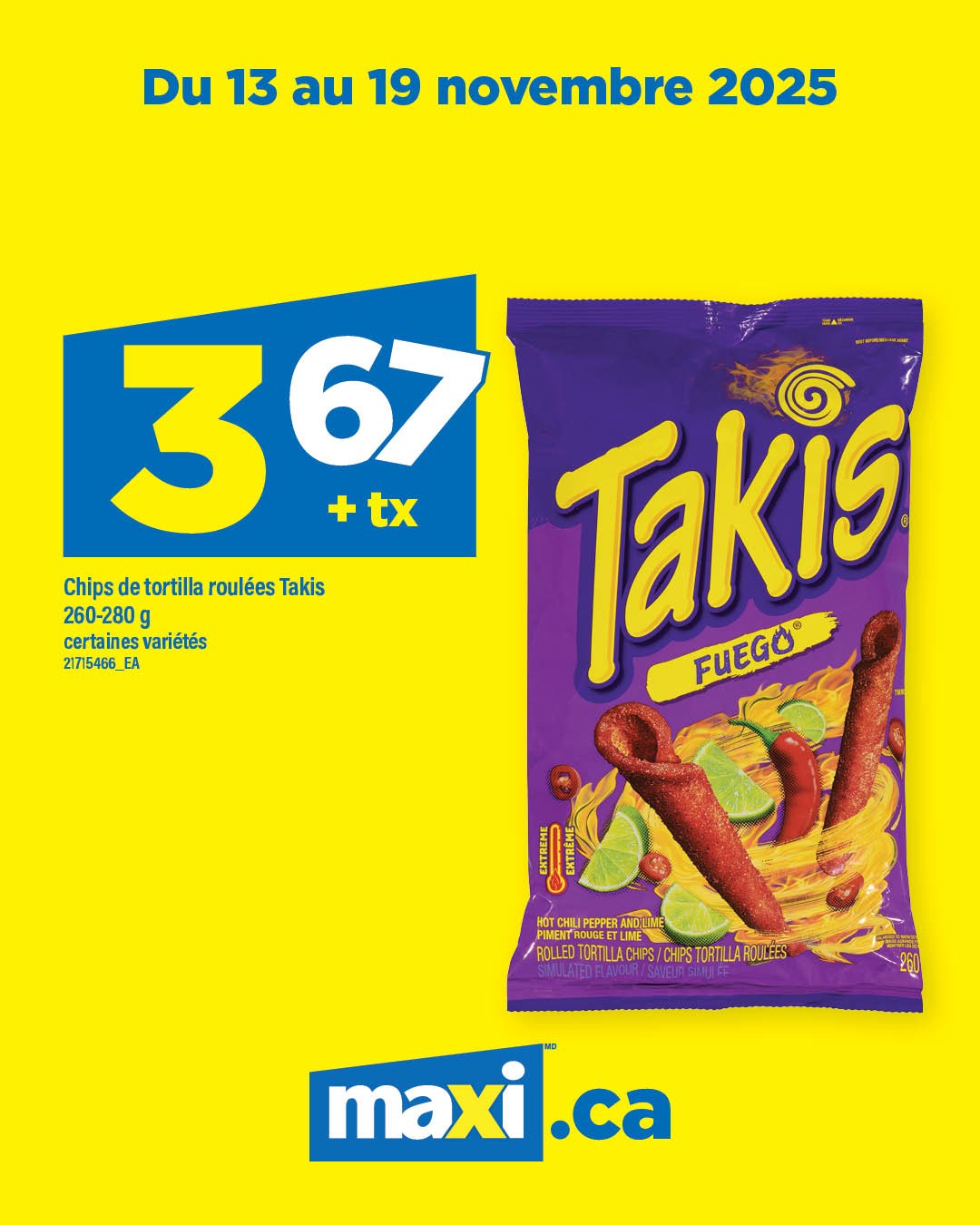
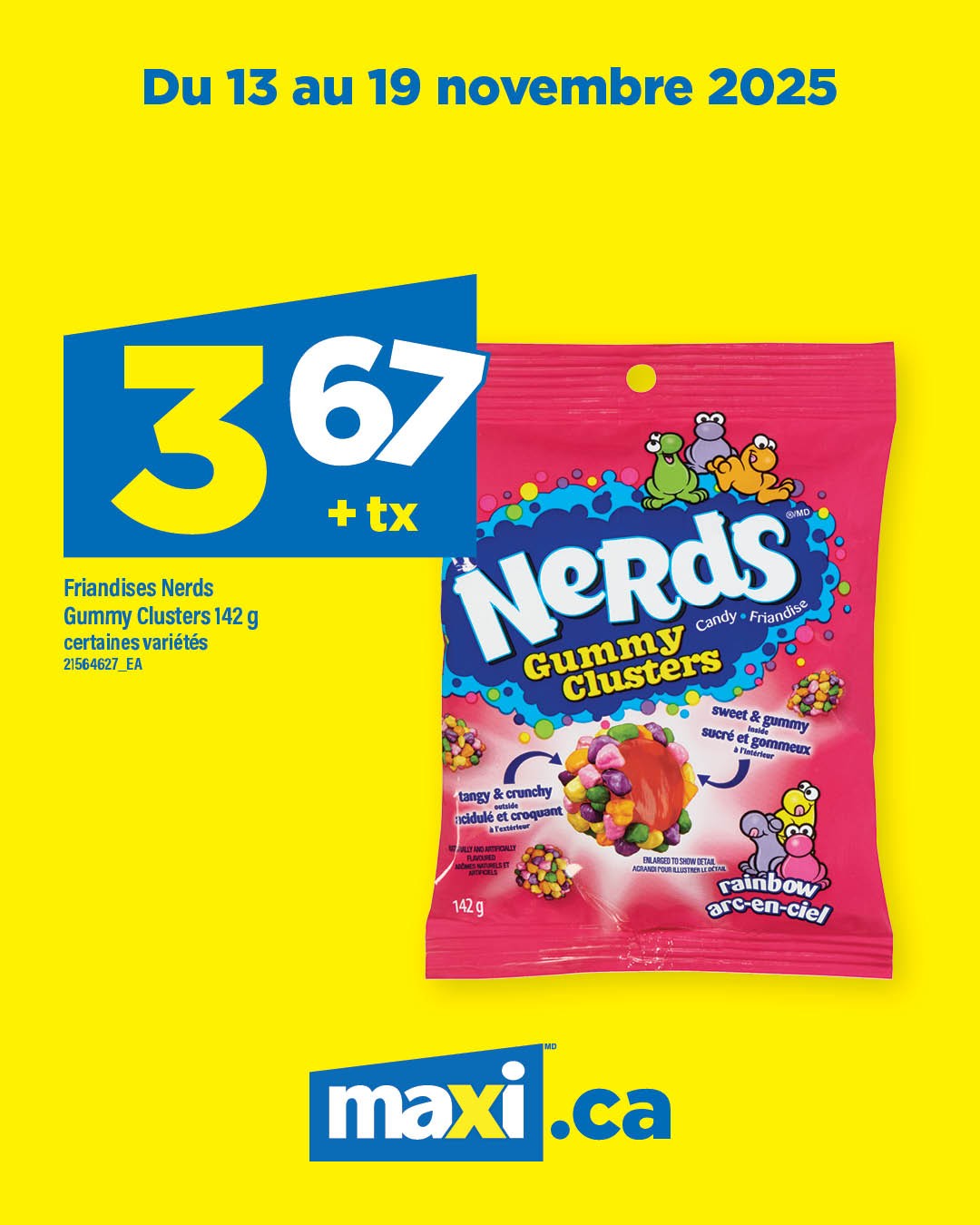
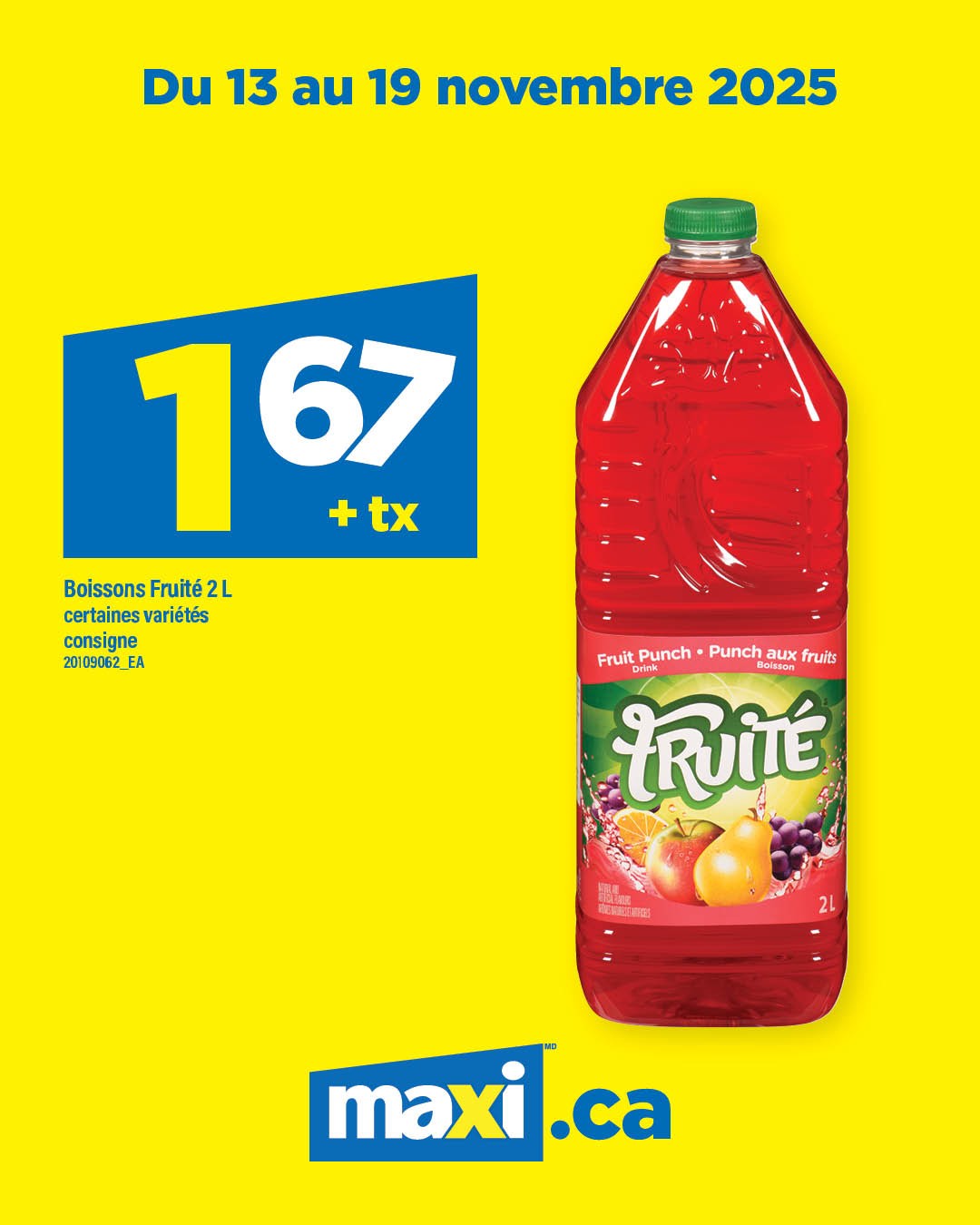
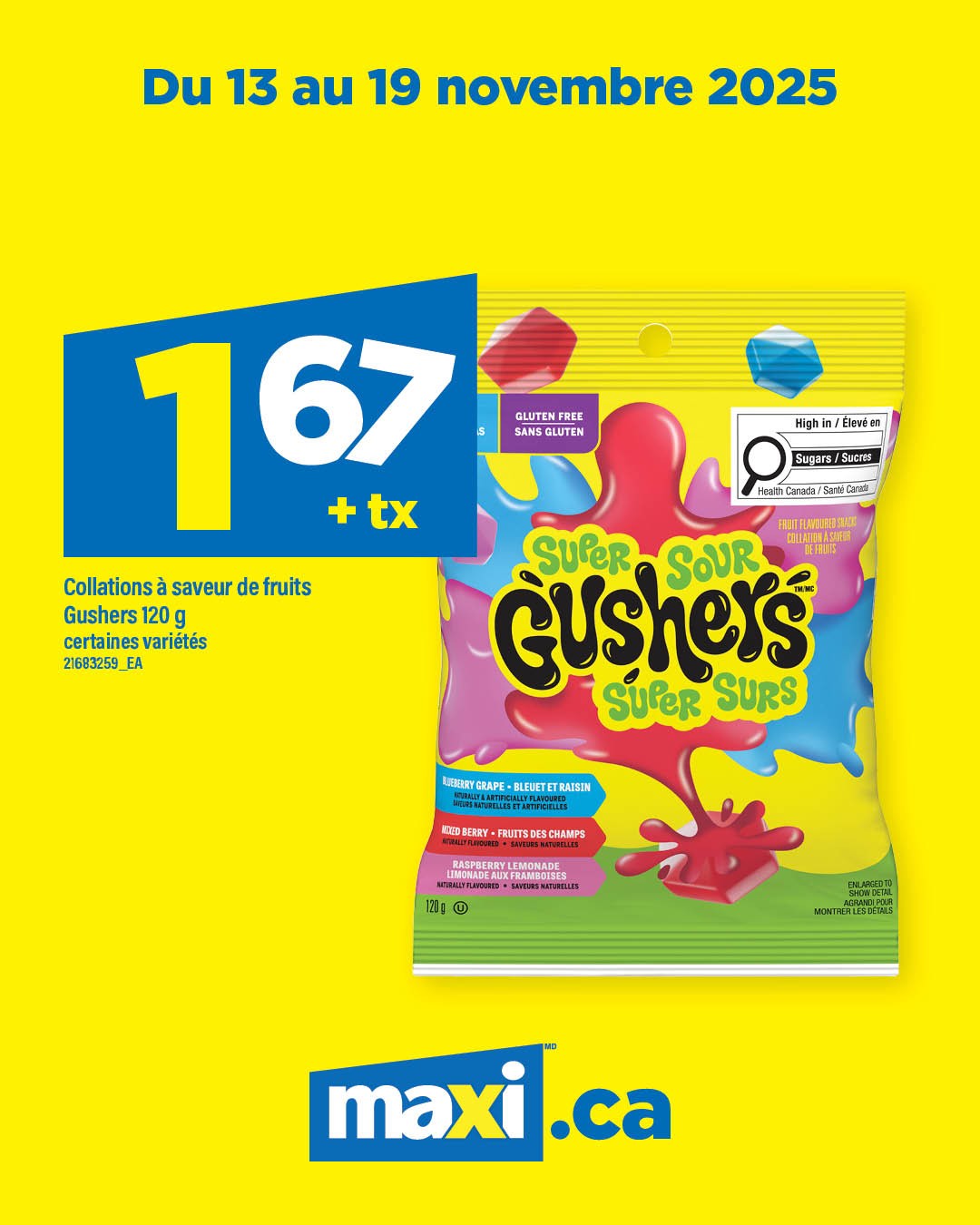
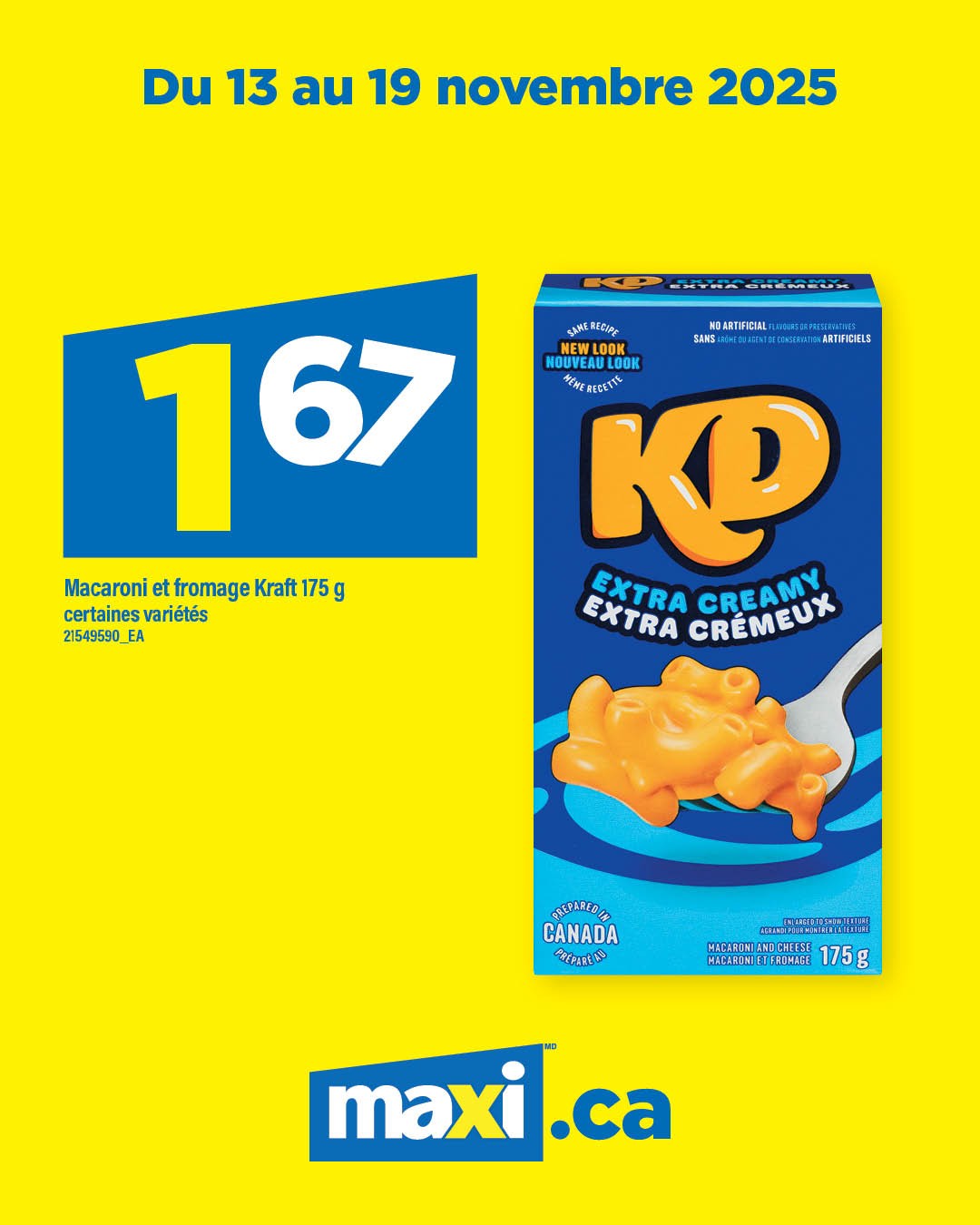
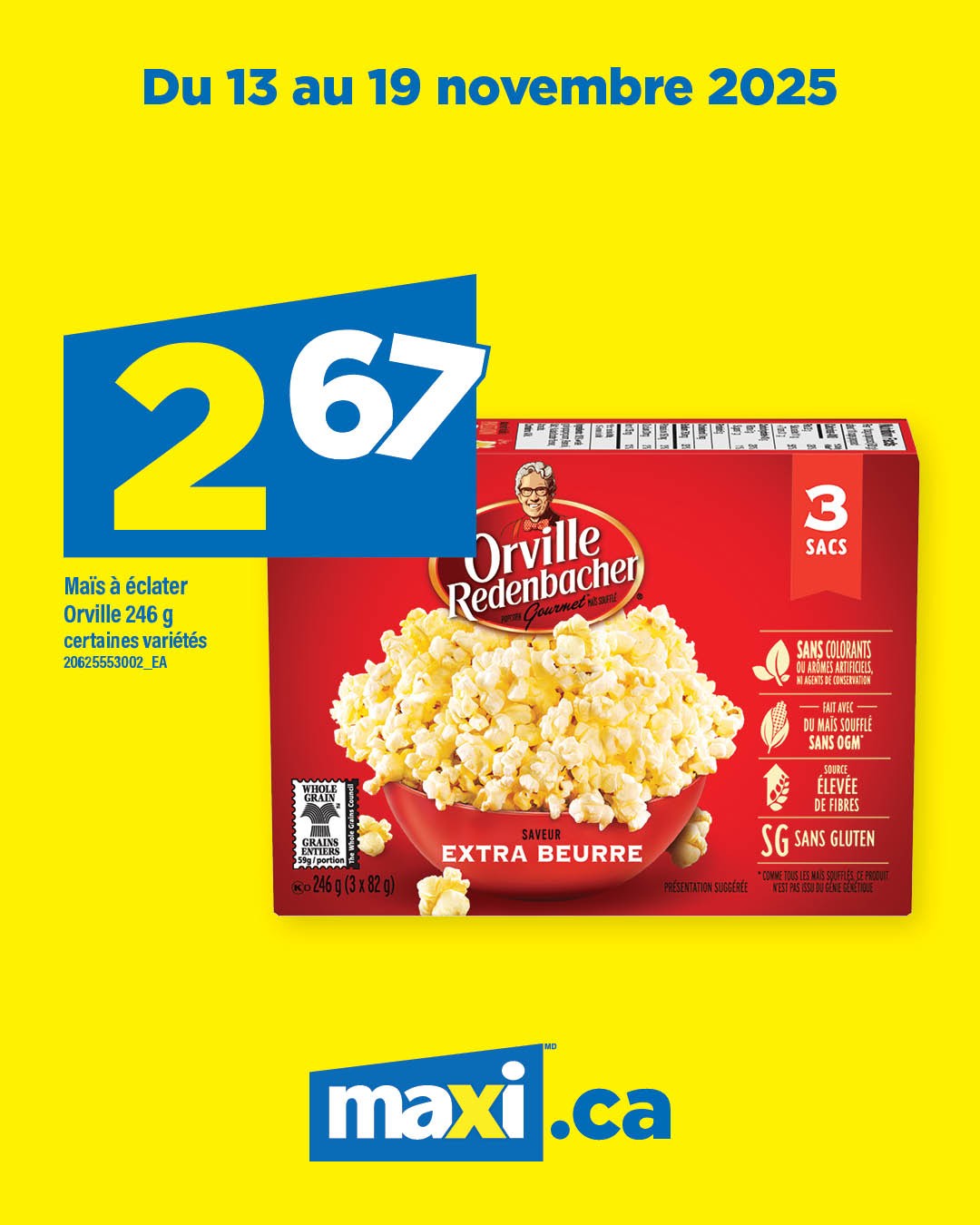
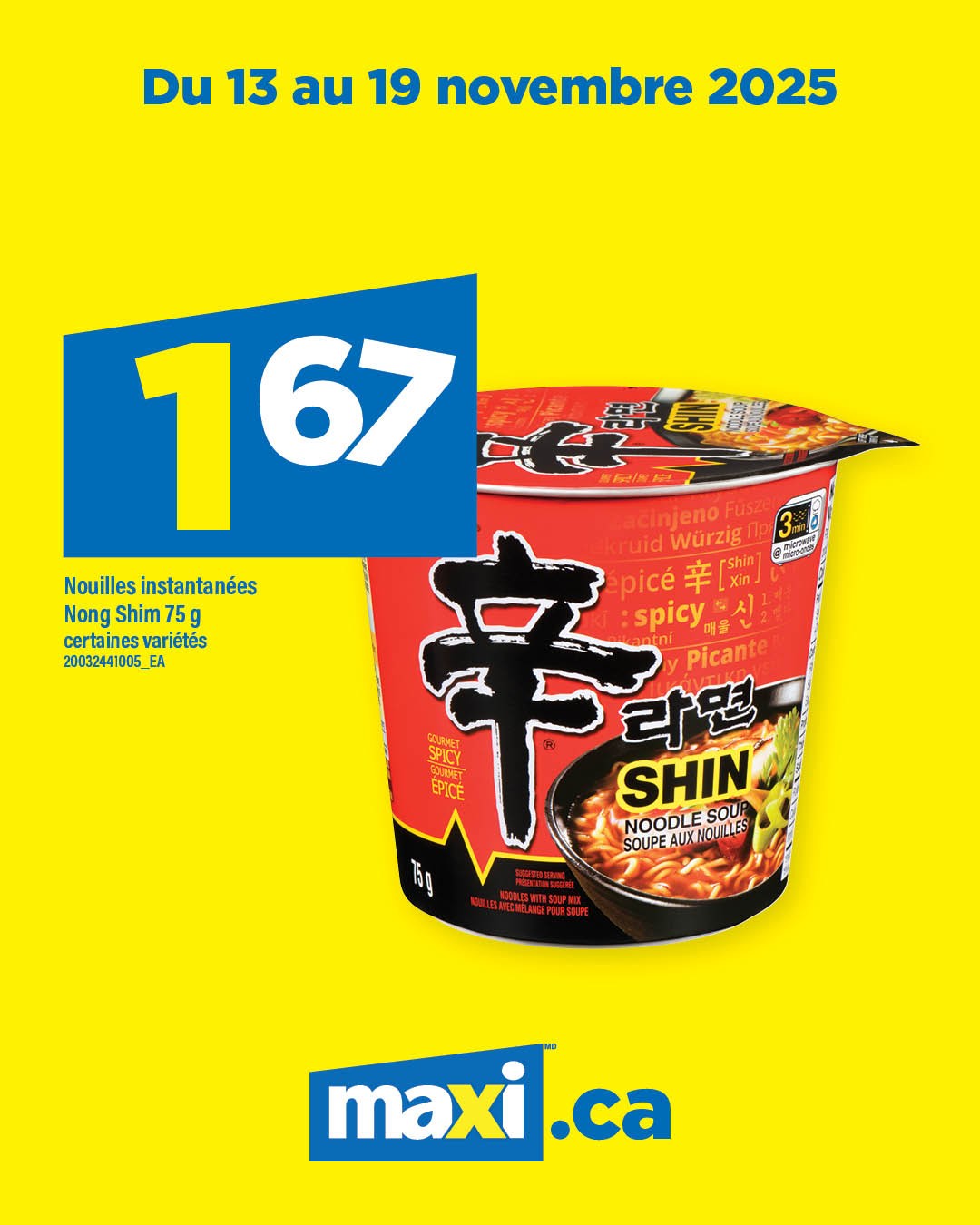
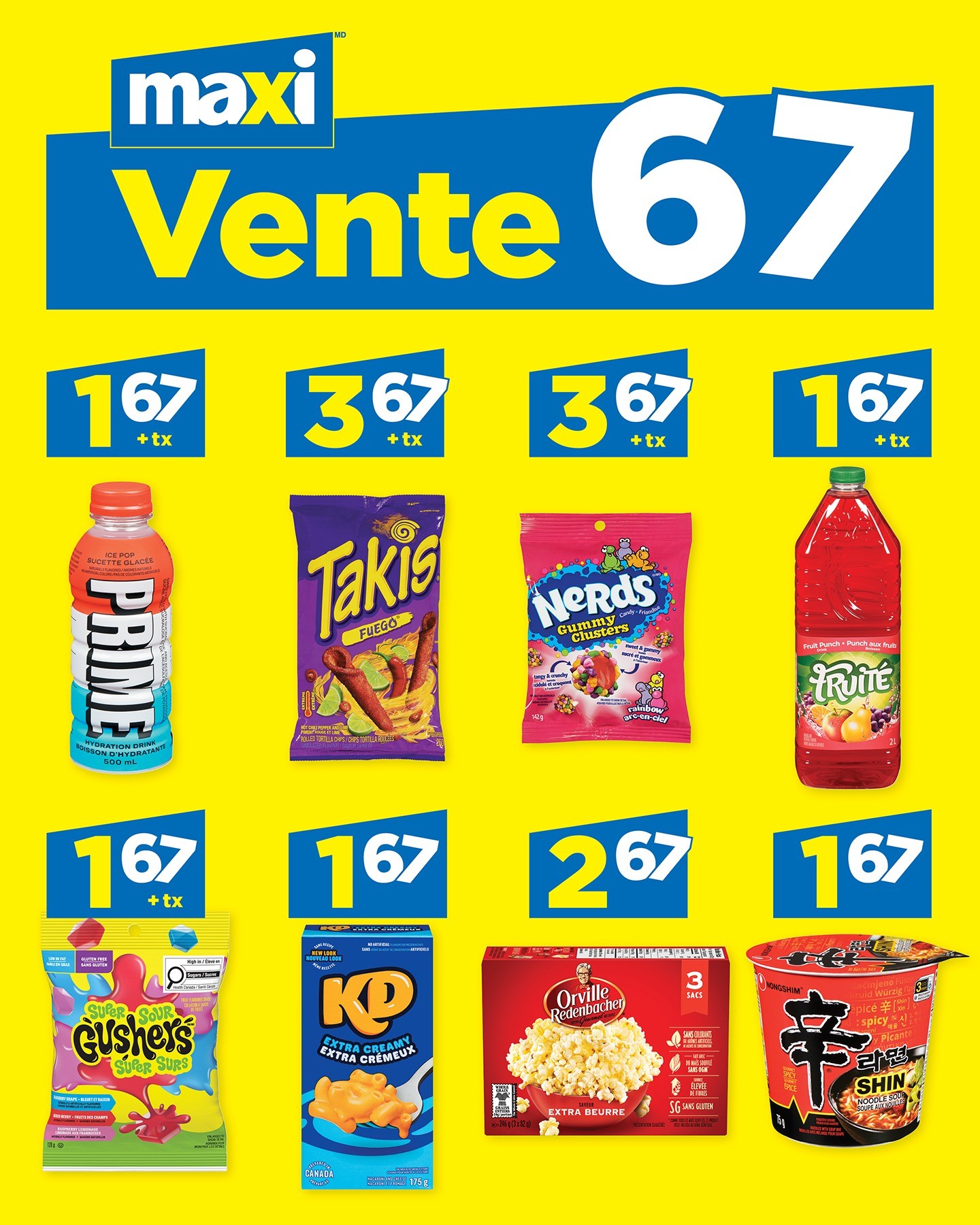
Eight products were selected for their direct relevance to Gen Z purchase behaviour and priced to their closest lower .67 decimal, versus the usual 50% discount on promos. The .67 decimal did double duty: talk value and actual discount, without the usual margin bleed.
Speed was non-negotiable. In just two weeks, Maxi mobilized its merchandising and supply chain teams, aligned with suppliers and repriced inventory to hit the market at peak cultural saturation.
The 67 Sale was announced like any other sale: with a standard post and a digital flyer. No wink-winks, zero skibidi energy. Yellow backgrounds, loud bursts, utilitarian typography. The anomaly was left for Gen Z to discover on their own.
They spent as little as possible on a campaign designed to look like it wasn’t a campaign. Paid support was limited to a standard Instagram carousel and a short-form video, $500 each. One collaborator was hired for $800 to produce and film a short video posted on Instagram and TikTok to promote the sale in the most authentic way. No influencer seeding, no paid amplification.
Planning also enforced strategic silence. They stripped away all youth-coded language, leaving only the suspiciously specific .67 price points in a standard digital flyer. This restraint allowed the audience to discover the anomaly themselves, turning a simple pricing update into social currency. This approach was the primary driver of ROI: it eliminated production costs, avoided the try-hard trap that alienates Gen Z and proved that cultural relevance can move volume more efficiently than deep price cuts.
The campaign achieved a staggering 31% engagement rate on social media, nearly 10x their initial target of 3.2%.
In Gen Z culture, real approval happens through dark social metrics such as DM shares, which can’t be seen as easily but prove that the content was seen as relevant enough to be shared with friends. The digital flyer became a viral artifact, shared more than 67,000 times via Instagram DMs, shattering their target of 10,000 shares by 570%. By providing a suspiciously specific price point without explanation, they turned their audience into their media department. The move was so effective that parents and teachers privately thanked Maxi for “killing” the trend by making it mundane.
The campaign delivered a massive 57.05% year-over-year sales lift across the eight targeted products, compared to their 10% objective. Unit movement saw a 55% increase compared to a regular week, totalling 37,271 units sold. This proves that cultural relevance is a more powerful driver of volume for Gen Z than traditional category-wide promotions.
With a total production and media cost of only $1,800, the campaign generated $79,021 in revenue, resulting in a ROAS of $43.90, compared to their objective and 2024 average of $30. Most importantly, the strategy delivered critical margin protection. While a traditional sale like the $1 Sale typically requires a 52% discount to move volume, the 67 Sale achieved these results with only a 25% average discount, making it one of the most efficient sales drivers in the banner’s history.
The model was so effective that it was exported nationally to No Frills, achieving 100% inventory sell-through
Credits
CREATIVE AGENCY: LG2CLIENT: MAXI
MEDIA AGENCY: Openmind
[Individual Credits - Agency - LG2]
EXECUTIVE CREATIVE DIRECTION: Alex Bernier
CREATIVE DIRECTION: Marc Guilbault
COPYWRITING: Vincent Houde, Juliette Patenaude
ART DIRECTION: Sarah Lemire
STRATEGIC DIRECTION: Laurence Bonneville
CLIENT SERVICES: Sophie McCollough, Jesse-Jane Stapelton, Claudia Trudeau, Judith Dupuis
AGENCY PRODUCTION: Vincent Boivent
CHIEF CREATIVE OFFICERS: Nicolas Baldovini, Josh Stein, Luc Du Sault
CHIEF STRATEGY OFFICER: Sophie-Annick Vallée
VICE-PRESIDENT, STRATEGY: Stéfanie Forcier
VICE-PRESIDENT, ACCOUNT SERVICES: Karine Payette
For submission inquiries, please contact strategyawards@brunico.com
.
For partnership inquiries, please contact Neil Ewen at newen@brunico.com.
For partnership inquiries, please contact Neil Ewen at newen@brunico.com.